Abundant cheap energy as a determining factor of business sustainability
The Financial Times article “What if the AI race isn’t about chips at all?” presents an interesting idea: the race for artificial intelligence may ultimately be decided not by chip availability, but by abundant cheap electricity. And even though it describes global trends, it has an uncomfortably current relevance for Europe — and especially for the Czech Republic. It shows that we are missing the train not only in the “traditional” industry, but also in the rapidly growing digital economy.
Energy has always been the foundation of technological progress
In the history of technological progress, energy has played a decisive role: from cheap coal in Britain during the Industrial Revolution to oil and hydroelectric power in the United States. In the AI era, the same may ultimately hold true — the winner will be the one who can keep models running, that is, who can provide reliable and cheap electricity.
Is cheap energy more important than chips?
Nvidia CEO Jensen Huang points out a trend that so far passes through public debate without much attention: AI development is no longer hindered as much by a shortage of cutting‑edge chips, but by a lack of electricity.
Training large models like GPT‑4 consumes as much energy as tens of thousands of households. And demand is growing rapidly: according to forecasts, data‑center electricity consumption is expected to more than double by 2030 and to soar by 2040 to a level that would cover 150 million American households.
China is massively investing in renewable sources…
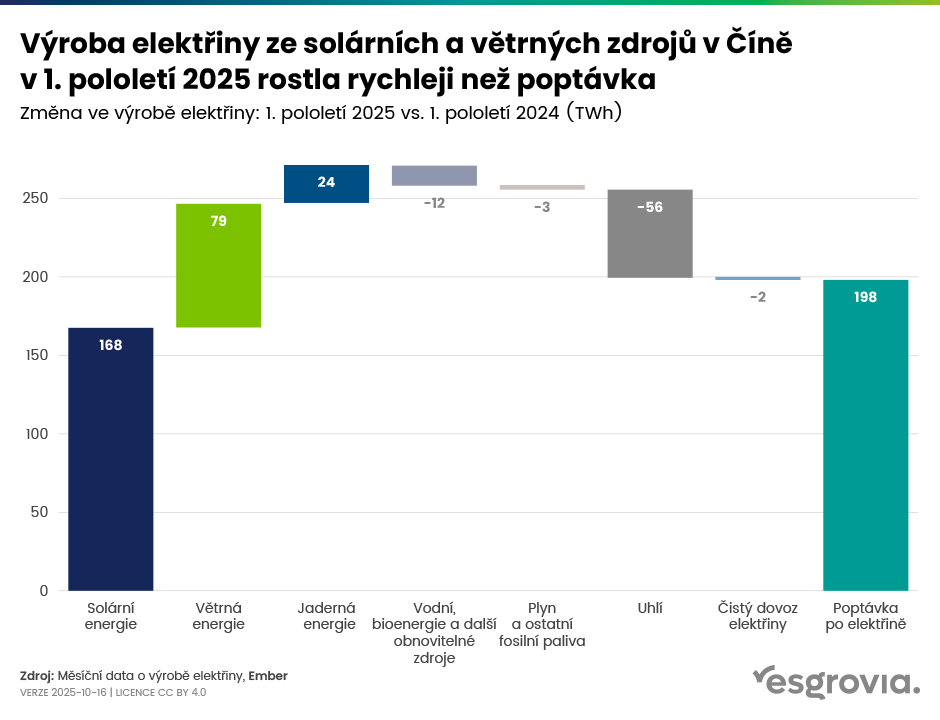
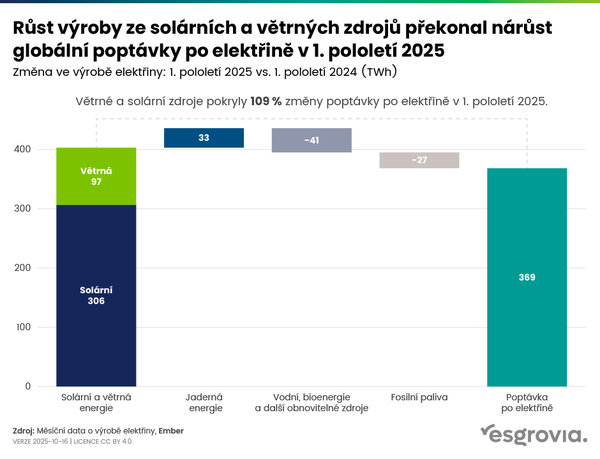
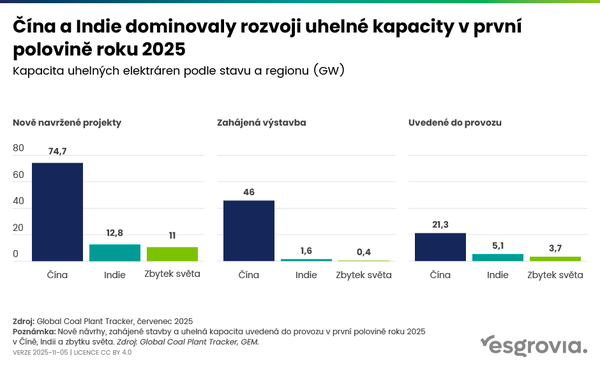
And this is where China has a huge lead. In recent years it has installed a record amount of solar and wind farms — in the first half of 2025 even more than the rest of the world combined:
To that end, it is building a modern transmission system that can transport cheap electricity from the interior to technology hubs on the coast. In addition, it offers preferential electricity prices to large AI companies such as Alibaba, Tencent, or ByteDance. This allows it to offset the technological loss it has in the high‑end chip sector.
Thus China can train models more cheaply — not because of the best chips, but because of the cheapest energy.
...while the USA slow down
Conversely, in the USA electricity prices are rising in regions with data centers, while investment in new renewable sources has weakened in recent years due to regulatory uncertainties. The U.S. government even plans to end some subsidies for wind and solar energy.
Yes, Nvidia still dominates the market for the most powerful chips. Chinese alternatives such as Huawei Ascend lag behind. But that may be less important in the long run: chip performance is stagnating, the capacity of cheap Chinese energy is growing at double‑digit rates. And in the AI race, energy could be the real limiting factor.
Energy consumption as an indicator of economic growth
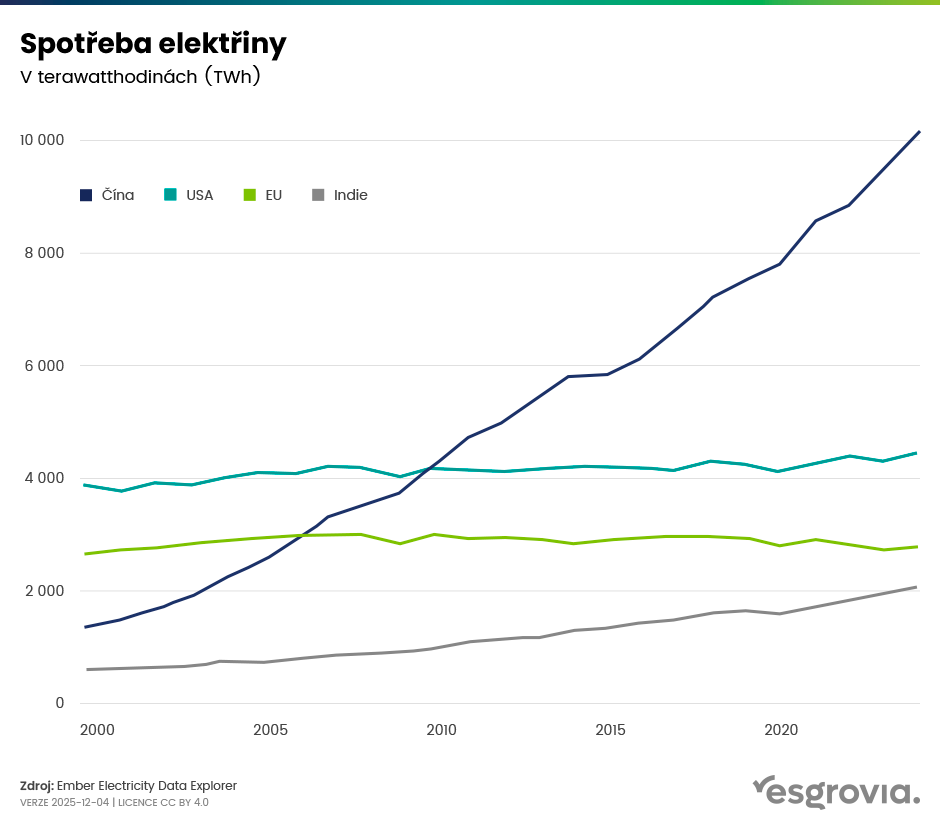
Historically, energy consumption has been an excellent predictor of economic growth. In modern developed countries this relationship has weakened over the past 20 years, but AI, industrial electrification, data centers, and the digitization of the economy are reinforcing it again. China's energy consumption over the past three decades has practically mirrored its economic rise. Compared with Europe and the USA, the gap is increasingly pronounced — and alarming from a future perspective.
The Czech Republic already has several problems that dramatically worsen this situation compared with many more advanced countries. Our economy is one of the most energy‑intensive in Europe, we employ almost the most people in industry, we have one of the dirtiest energy mixes (high electricity emission factor), and we have relatively high electricity prices.
At the same time we are experiencing years of uncertainty in energy policy, facing cyclical changes in support for renewable sources, and we are unable to generate and agree on a long‑term energy concept.
The result is that we are getting a combination that threatens not only the current industry but, above all, the future competitiveness of the entire Czech economy.
And this is sustainability — perhaps the most important.
Related articles
Renewable sources overtook coal as the world's leading source of electricity for the first time
China and India account for 87% of new coal capacity in the first half of 2025
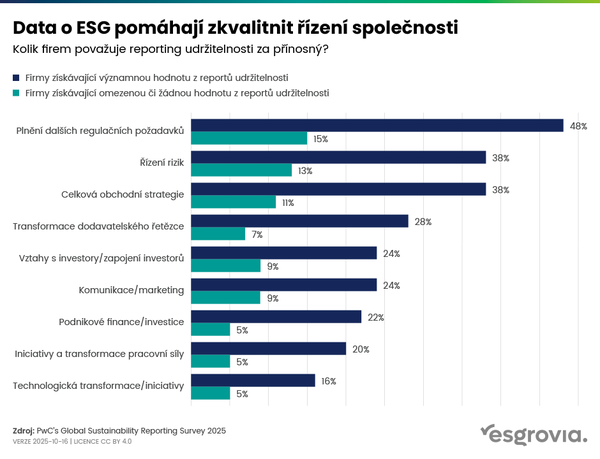
Data on ESG help improve company management