Danish scientist counted insects on the same front glass, same route, under the same conditions – 20 years in a row. In the twentieth ro...
In Germany volunteers placed traps in 63 nature reserves. Not on farms – on protected land. Same methodology, 27 years. The total mass of flying insects fell by 76%. In the middle of summer, when the peak season should be, by 82%. Monitoring in 2020–2021: no recovery.
In the United Kingdom drivers count insect marks on license plates after driving. The results for 2024 were 63% lower than in 2021. Over three years.
Global meta‑analysis from 2020 (166 surveys, 1,676 sites): terrestrial insects are disappearing at a rate of approximately 9% per decade.
Why should this concern us?
75% of food crops depend on insect pollination – apples, almonds, coffee. A 2025 model shows what a total collapse of pollinators would mean: food prices +30%, global economic impact $729 billion, loss of 8% of worldwide vitamin A supplies.
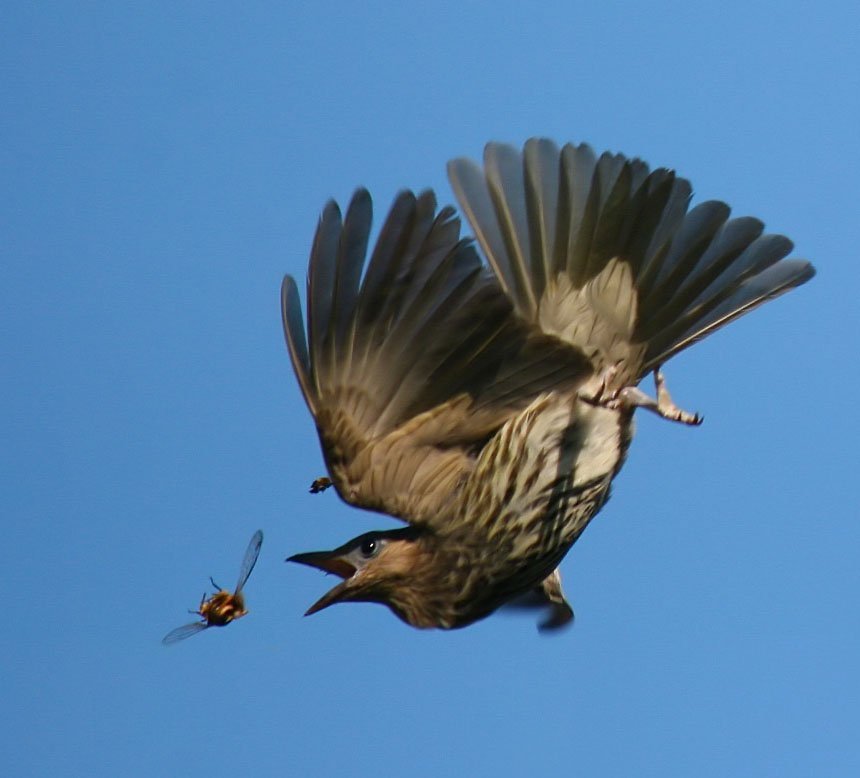
Birds are already feeling it. North America has lost 2.9 billion birds since 1970. Recent studies: half of the 261 monitored species are in serious decline, fastest in agricultural areas. Insect‑eating birds have lost 2.9 billion individuals. Birds that do not eat insects? Those have increased by 26 million. That ratio says it all.
One of the authors of the German study drives a Land Rover. He says it has the aerodynamics of a refrigerator. Today it remains clean.
These numbers are not forecasts. They are measured data. And they concern everyone – from the food industry to agriculture to every person who eats.
Related articles
Wolves, otters, beavers – when the protection of some endangers others
Norwegian sovereign fund sets new rules: companies must manage nature-related risks

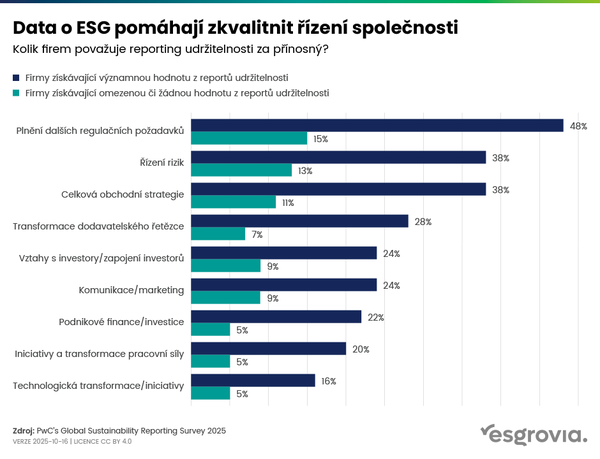
Data on ESG help improve company management