India launched its own central portal for trading carbon credits.
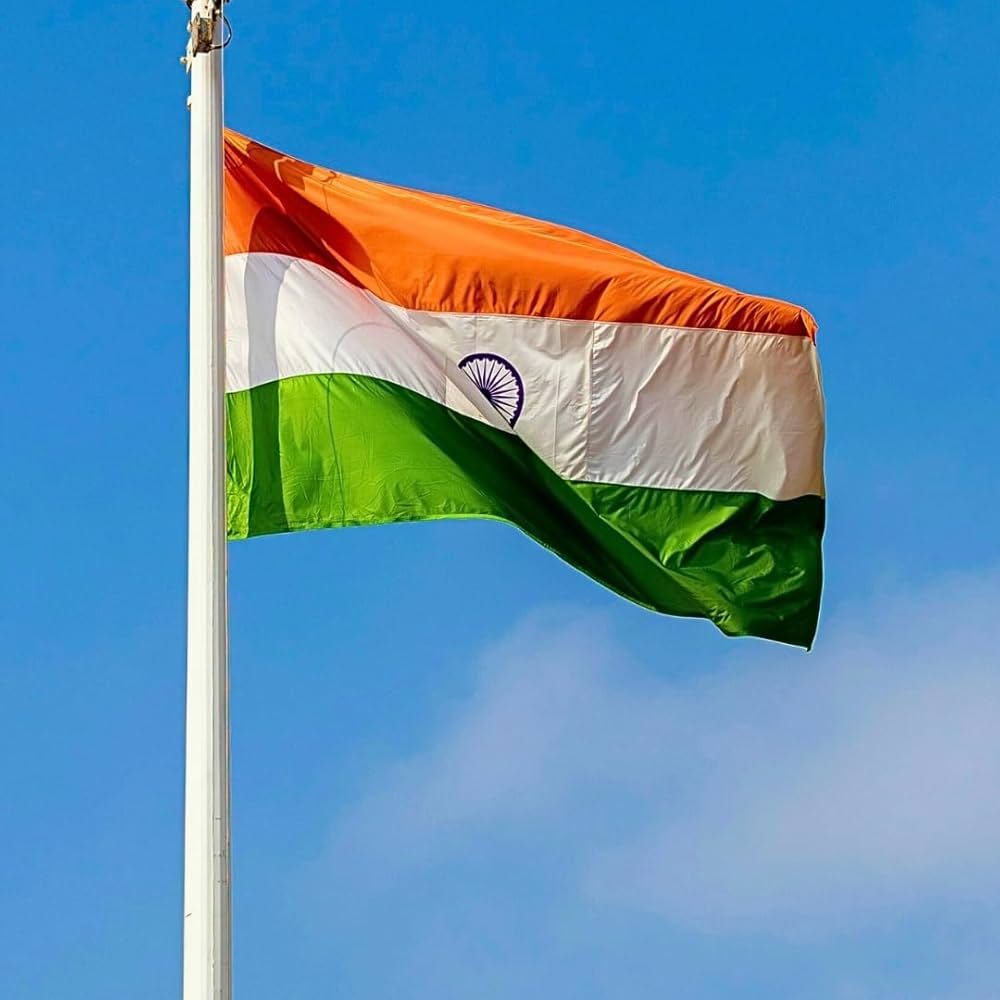
At the Prakriti 2026 conference in New Delhi, Indian Energy Minister Manohar Lal presented the Indian Carbon Market Portal – a central platform for registration, monitoring, reporting and verification (MRV) of industrial enterprises' emissions. Sharp trading is set to start within four months.
What this means in practice:
- 490 large industrial entities in 7 energy‑intensive sectors received binding targets for emission intensity (GEI). Those who exceed the target will receive tradable carbon certificates. Those who do not must purchase them.
- The voluntary offset market is open to everyone – nine approved methodologies cover biogas, green hydrogen, forestry and renewable energy. Over 40 entities have already registered projects.
- The portal will enable Indian companies to demonstrate compliance with external carbon mechanisms – including the European CBAM.
How does it differ from the EU?
India has taken a fundamentally different route than Europe. The EU ETS is a classic cap‑and‑trade – an absolute emissions ceiling, allowance auctions, a strict regime. The Indian CCTS, on the other hand, is based on emission intensity (emissions per unit of production). That means total emissions can grow with the economy – but firms are motivated to produce more cleanly.
The EU ETS covers 45 % of the Union’s total emissions and since 2013 has generated over USD 109 billion from auctions. India starts with 9 sectors and a modest target of ~3 % intensity reduction. The EU carbon price is €50–80 per tonne, while the Indian price is still being established.
It is a pragmatic choice for a developing economy – but with a catch. The intensity‑based system is harder to link with CBAM, which works with absolute emissions. Indian firms will therefore be able to reduce CBAM fees, but not eliminate them entirely.
Why is this important globally?
India is the third‑largest CO₂ emitter. It is launching a functional carbon market with digital MRV and moving from ambition to execution. For European importers dealing with Indian suppliers, this means a new context worth watching.
Related articles
How are Scandinavian companies preparing for the impacts of CBAM?
Renewable sources overtook coal as the world's leading source of electricity for the first time
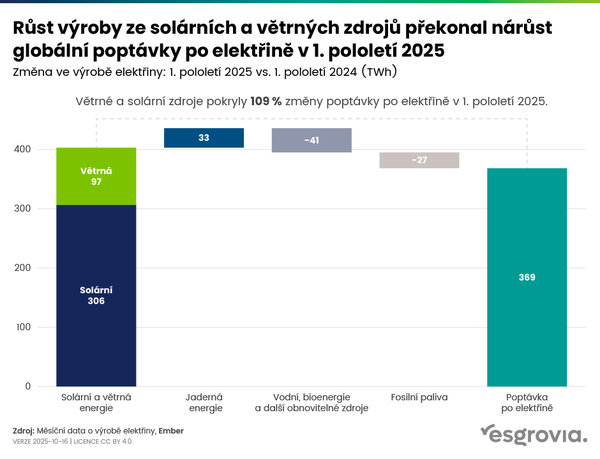
China and India account for 87% of new coal capacity in the first half of 2025