The Korean association KITA warns about the impacts of the CBAM mechanism on Korean exports to the EU from 2031.
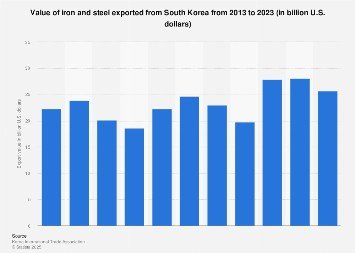
A new study by the Korean association KITA (Korea International Trade Association) points out the real impacts of the CBAM mechanism, which the EU introduced from January 2026, on carbon‑intensive imports – steel, aluminium, cement or fertilizers. From 2028 it is set to expand to engineering, electronics or medical devices.
According to the association, the pivotal turning point will come in 2031. Free emission allowances, which today cover 97.5% of production, will fall below 40% – and disappear entirely by 2034. For exporters, this means a sharp increase in costs.
KITA estimates that:
- each 1% price increase due to CBAM reduces export volume by 0.98%
- by 2030 a decline in exports of the affected products of 0.9–5.3% is expected
- in the years 2031–2034, up to 7.7–17.9%
Even though the study targets South Korea, the lesson is universal. Companies that want to succeed in the European market must, by 2030, manage the transition to low‑carbon production and implement transparent emissions management throughout the entire supply chain.
Related articles
Abundant cheap energy as a determining factor of business sustainability
Carbon tax (CBAM) as a test of the EU's negotiating power
Study of the Thai central bank: CBAM reduced Thai exports to the EU