Oil defined the geopolitics of the 20th century. Critical minerals will define the 21st.
Analysis from pressenza maps how the energy transformation shifts the global center of power from fossil fuels to critical minerals — lithium, copper, nickel, cobalt, graphite and rare earths.
A few numbers worth noting:
- demand for critical minerals could multiply 4–6× by 2040
- the global battery market today exceeds $120 billion per year — by 2030 it could surpass $400 billion
- in 2023 more than 14 million electric vehicles were sold, the market exceeds $500 billion per year
- China controls 60–80 % of global rare‑earth processing and produces about 75 % of the world’s solar panels
- the lithium triangle (Chile, Argentina, Bolivia) concentrates over 50 % of known lithium resources
The key message of the article is that it is not enough to just mine raw materials. Real power lies in controlling the entire value chain — from mining through refining to the production of technology products. Countries that remain only exporters of raw materials risk repeating historical patterns of dependence.
For us in Europe, it has a direct impact on supply chains, decarbonisation strategy, and ESG reporting — dependence on critical minerals is becoming one of the key risks that we must be able to identify and report.
(Image by illuminaphoto / Depositphotos)
Related articles
Wind energy in 2025 reached a historic record – and China dominates like never before
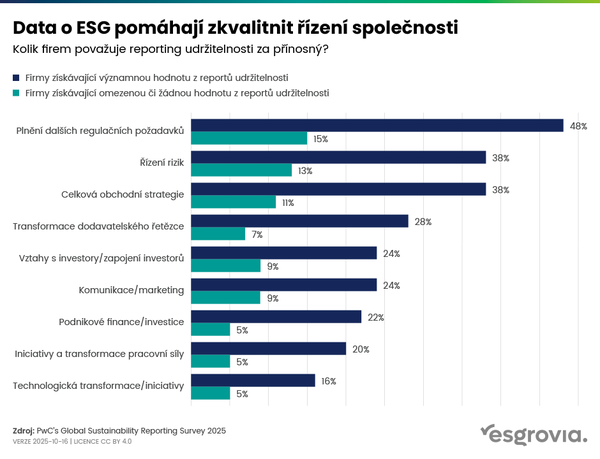
Data on ESG help improve company management