Priorities of China's new five-year plan
China is preparing to launch its 15th five-year plan (2026–2030), which, according to new information from government and expert sources, will strongly emphasize green development, technological self‑sufficiency, and industrial modernization. The goal is to ensure sustainable growth, reduce the carbon footprint, and strengthen the country's position as a global leader in renewable technologies (source: CarbonBrief, Guardian).
- The new plan emphasizes “green production and lifestyle” and reaffirms the commitment to achieve a peak in CO₂ emissions by 2030.
- Energy sector: China aims to reach 2 TW of wind capacity by 2035 and up to 5 TW by 2060, which would make it a world leader in wind energy.
- Vehicle-to-grid (V2G) technology is gaining attention – electric vehicles with bidirectional batteries should help stabilize the grid and improve the utilization of renewable sources.
- Industrial modernization aims to support self‑sufficiency in key areas – from semiconductors to clean technologies.
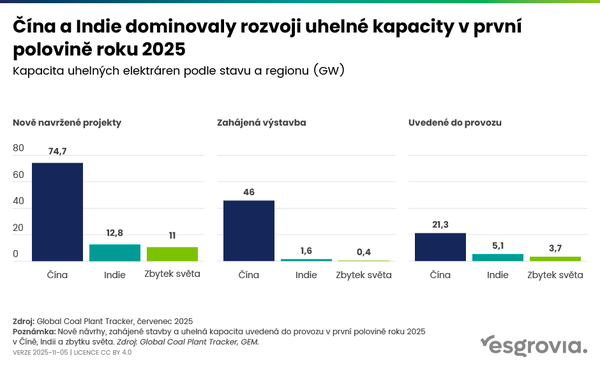
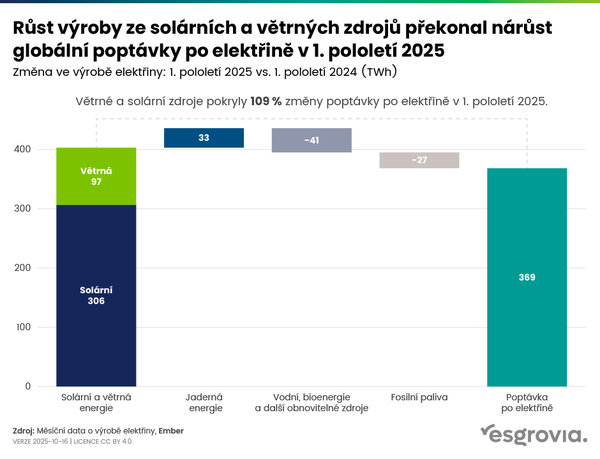
Although China continues to build coal power plants, which is loudly criticized, it increased solar and wind installations in the first half of 2025 by more than the rest of the world combined.
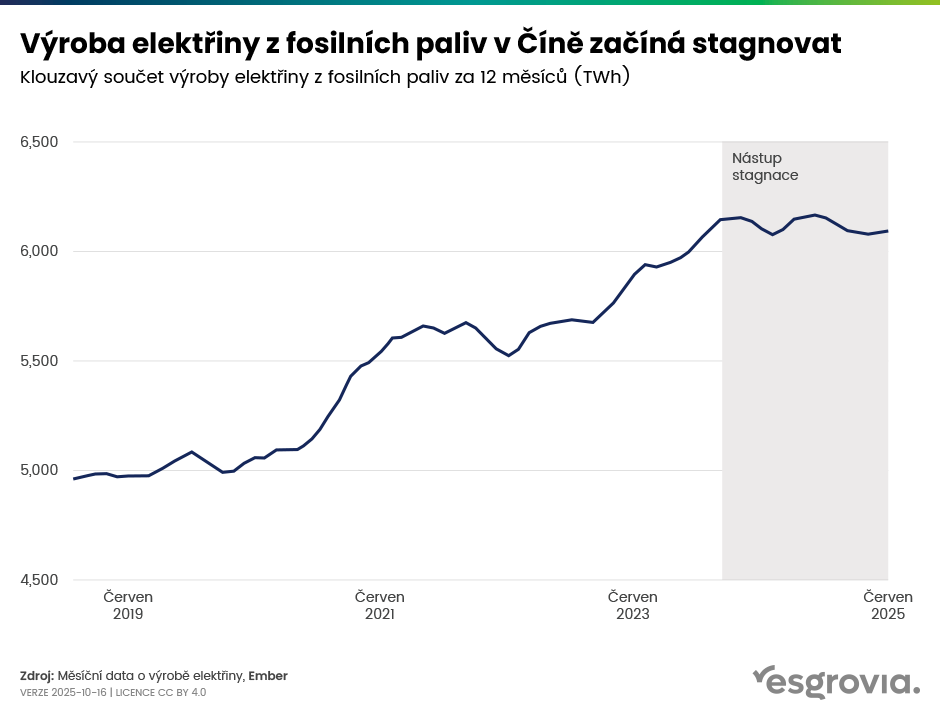
At the same time, it appears that the volume of China's CO₂ emissions has begun to stagnate over the past few quarters, which may have contributed to the decision to adopt a Chinese climate commitment to reduce “net greenhouse‑gas emissions across the entire economy” by 7–10% below the historical peak level by 2035:
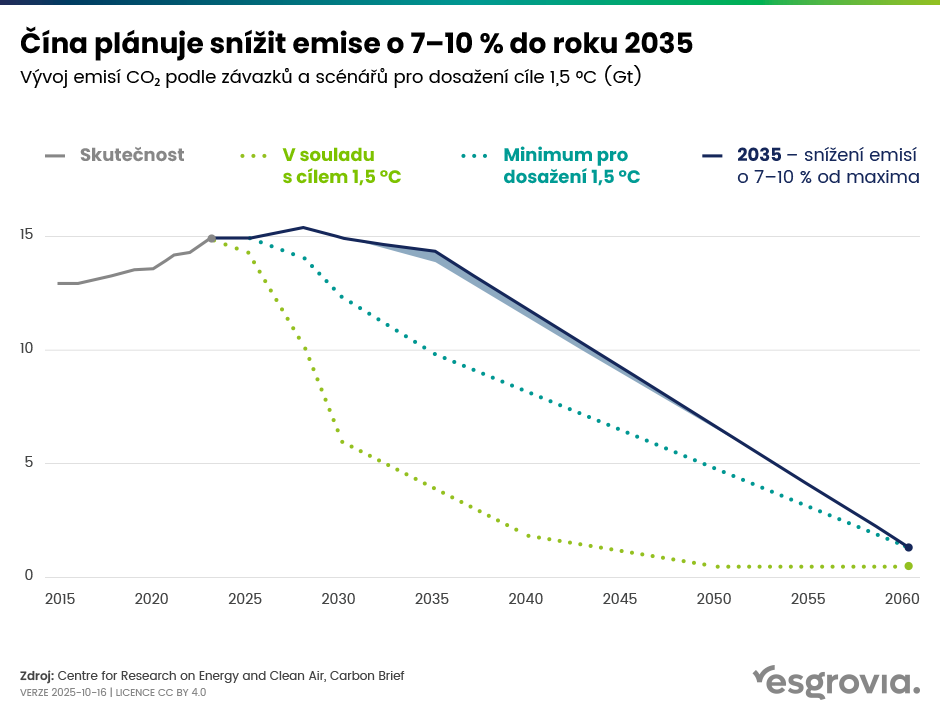
China reaffirms its goals of linking economic growth with ecological transformation. Nevertheless, real success will depend on the ability to translate ambitious goals into concrete actions – from technology investments to the practical implementation of climate policies.
Related articles
China plans to reduce emissions by 7–10% by 2035
Renewable sources overtook coal as the world's leading source of electricity for the first time
China and India account for 87% of new coal capacity in the first half of 2025