Tropical peatland fires have reached a 2000‑year maximum. And humans may be responsible.
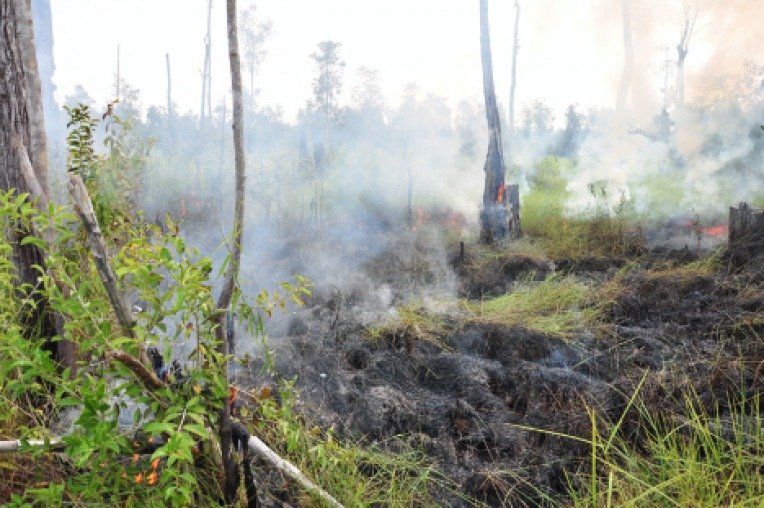
A new study published in Global Change Biology (University of Exeter) analyzed carbon in peat layers across four continents and reconstructed the fire history over the past 2,000 years.
The findings are not very encouraging:
- peatlands store more carbon than all the world's forests combined
- tropical peatland fires declined for centuries—in line with natural climate cycles
- in the 20th century this trend dramatically reversed—fires surged to unprecedented levels
- the greatest increase was recorded in Southeast Asia and Australasia, where peatlands are being drained for agriculture and development
- remote areas in South America and Africa have not yet shown this trend—but the risk is growing as populations and agriculture expand
Why does it matter? When peatlands burn, they release massive amounts of carbon stored for thousands of years. It's like opening a huge underground CO₂ vault and dumping it into the atmosphere.
The solution is the protection of peatlands, ecosystem restoration, and sustainable management. But it requires cooperation across countries and a sufficient scale.
Source: Wang, Y. et al., Global Change Biology, 2026 | University of Exeter / ScienceDaily, March 19, 2026
Related articles
Loss of trust in sustainability costs companies 7× more than building it

Why do companies prefer local carbon offsets, even though there are better climate projects?

Data on ESG help improve company management